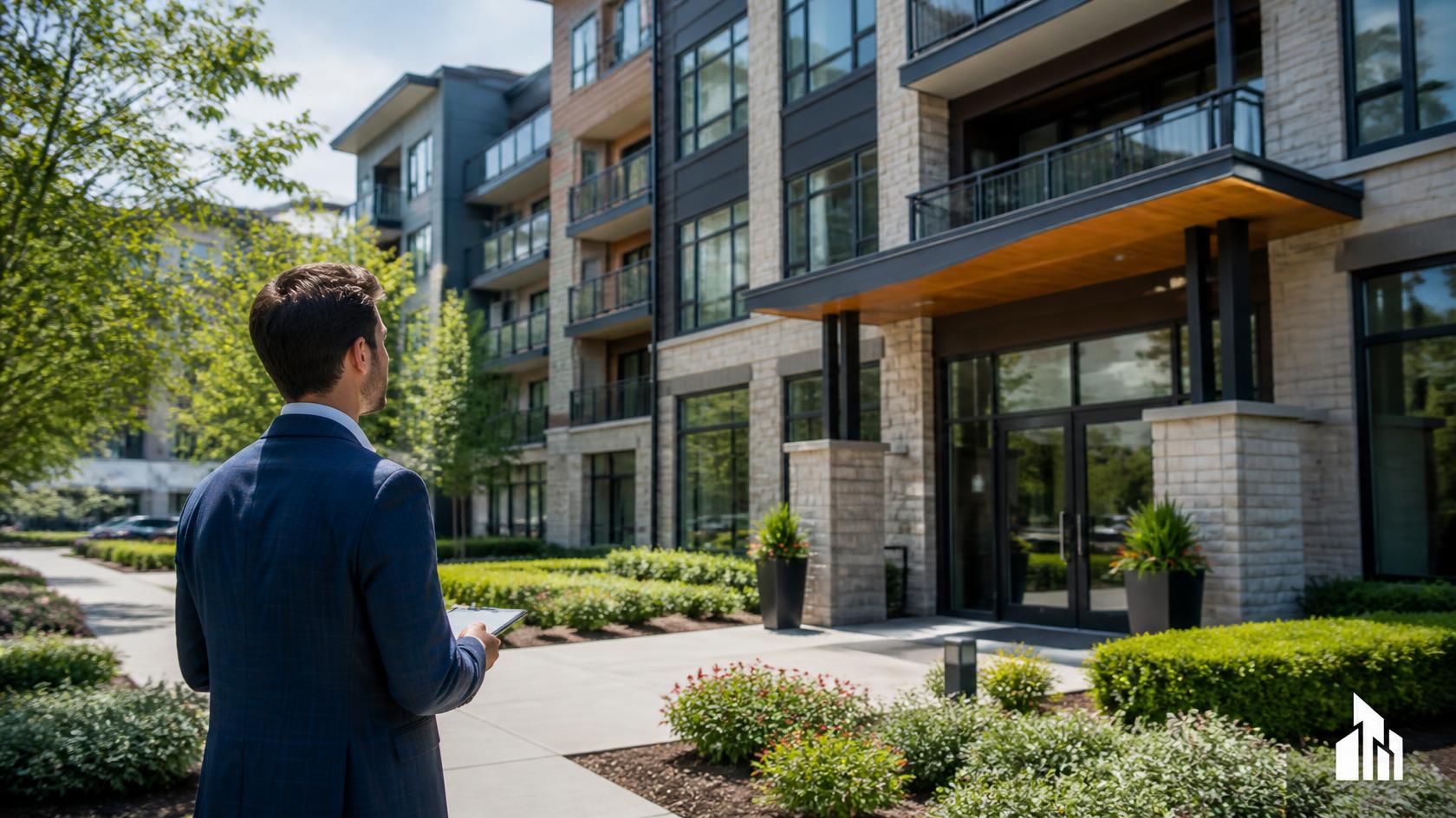
Selling a multifamily property successfully often starts months before the property reaches the market. For a 10 to 80-unit apartment asset, buyers will examine the rent roll, T12, operating expenses, physical condition, and future income potential in detail. Small inconsistencies can affect both pricing and buyer confidence.
To increase multifamily property value, the first step is usually not a cosmetic renovation. It is understanding exactly what the property is producing today and where the financial story can be improved without relying on unrealistic projections.
Starting With the Property’s Financials
The initial review focused on the T12 trailing twelve-month financial statement and current rent roll. Rather than accepting the reported NOI at face value, each major expense was examined for recurring versus unusual costs.
Insurance, repairs, utilities, management expenses, taxes, and maintenance were compared against historical performance. This process helped establish a more credible picture of normalized NOI.
RUBS income was reviewed as part of the revenue analysis. Utility reimbursements can contribute meaningful income, but buyers typically want evidence that the charges are consistently collected and supported by actual operating history.
Finding Income That Buyers Could Support
The rent roll provided another area for review. Loss-to-lease calculations showed the difference between existing contract rents and rents that could potentially be achieved based on current leasing conditions.
That gap was not simply added to projected NOI. Instead, the analysis considered actual renewal activity, recent leases, vacancy, and local concession trends.
This distinction matters. A buyer is more likely to accept an income improvement when the supporting evidence comes from recent property performance rather than an aggressive projection.
Addressing CapEx Before Marketing
The property’s physical condition was reviewed alongside its financial performance. Known capital needs were identified and considered in the overall sale strategy.
CapEx reserves are particularly important for apartment properties with aging roofs, HVAC systems, plumbing, parking areas, or exterior components. Ignoring those needs can create problems when buyers complete inspections.
In some cases, completing a project before sale makes sense. In others, documenting the condition and pricing the property appropriately is more practical. The right choice depends on cost, timing, expected buyer response, and the likely return from the improvement.
Building a Defensible Valuation
A Broker Opinion of Value helped establish a realistic pricing range. Comparable sales were reviewed alongside property condition, unit mix, income, expenses, and current buyer expectations.
Cap rate variations were especially important. For example, $350,000 of NOI at a 5.50% cap rate indicates approximately $6.36 million in value. At a 6.25% cap rate, the same NOI indicates approximately $5.6 million.
That difference shows why pricing cannot be based on a single market headline. The appropriate cap rate depends on the specific asset and the assumptions buyers are likely to use.
Preparing for Buyer Due Diligence
A pre-disposition property audit also helped reduce buyer re-trading risks. Financial statements, leases, rent records, capital information, and other supporting documents were organized before buyers had an opportunity to raise avoidable questions.
This preparation can matter after an offer is accepted. If a buyer discovers an undocumented expense or deferred maintenance issue during due diligence, the buyer may seek a price reduction.
A clean data room does not eliminate negotiation, but it can make the process more predictable.
Keeping the Sale and 1031 Strategy Aligned
For an owner considering a 1031 exchange, sale preparation also has a timing component. Federal rules generally provide 45 days to identify replacement property and 180 days to complete the exchange, subject to applicable requirements.
Because tax circumstances differ, consult a qualified tax specialist before relying on these timelines. Financing assumptions should also be confirmed in writing when they affect the transaction.
What Made the Positioning Effective
The strongest part of the sale strategy was not one isolated improvement. It was the connection between the property’s financial records, physical condition, valuation, and buyer expectations.
If your goal is to increase multifamily property value, start by identifying what a buyer will question. A stronger T12, realistic rent assumptions, documented CapEx needs, accurate valuation, and careful preparation can create a more credible investment story without overstating the property’s performance.
That preparation also gives you better information when deciding whether to sell now, improve the asset first, or continue operating it.
FAQs
What is the first step in preparing an apartment property for sale?
Start with a T12 and rent roll review to establish normalized income, recurring expenses, and potential issues buyers may identify.
Can increasing NOI increase property value?
Yes. Higher sustainable NOI can support a higher value, although the effect depends on the applicable cap rate and buyer assumptions.
Why conduct a pre-disposition audit?
It can identify financial, physical, and documentation issues before they become buyer objections or re-trading points.
Should you complete CapEx before selling?
Not always. Compare the project cost with expected buyer response, timing, and the potential effect on value before committing capital.