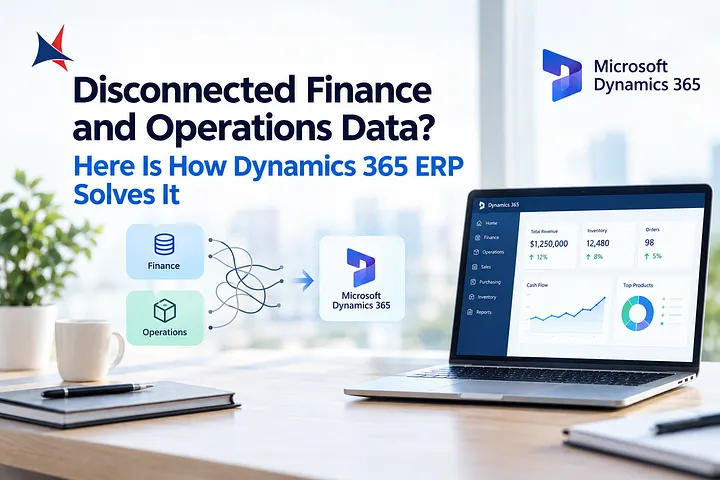
Managing a growing business comes with increasing complexity. As operations expand, many organizations find themselves relying on multiple software applications for accounting, inventory, sales, purchasing, and customer management. These disconnected systems often create data silos, reduce productivity, and make it difficult for leaders to gain a complete view of business performance.
Business Central Cloud ERP is Microsoft's cloud-based enterprise resource planning solution designed to help small and mid-sized businesses manage their entire operation from a single platform. By integrating finance, supply chain, inventory, sales, purchasing, and project management, Business Central enables organizations to improve efficiency, automate processes, and make better business decisions using real-time data.
Whether you're replacing legacy ERP software or beginning your digital transformation journey, Business Central provides the flexibility and scalability needed to support long-term business growth.
What Is Business Central Cloud ERP?
Business Central Cloud ERP is part of the Microsoft Dynamics 365 family of business applications. It combines essential business functions into one integrated solution, allowing departments to work with the same accurate information instead of relying on separate systems.
Hosted on Microsoft Azure, Business Central eliminates the need for expensive on-premises infrastructure. Employees can securely access business information from anywhere while benefiting from automatic updates, enterprise-grade security, and high system availability. Since it integrates seamlessly with Microsoft 365 applications like Outlook, Excel, Teams, and Power BI, users can work within familiar tools without disrupting their daily workflows.
Why Businesses Are Moving to Business Central
As businesses grow, manual processes and outdated software become barriers to efficiency. Finance teams spend hours preparing reports, inventory managers struggle with inaccurate stock levels, and sales teams often lack complete customer information.
Business Central solves these challenges by connecting every department through one centralized platform. Real-time visibility allows decision-makers to respond quickly to changing business conditions, while automation reduces repetitive work and minimizes errors.
Because it is cloud-based, businesses can easily scale the solution as operations expand without investing heavily in additional hardware or IT resources.
Key Benefits of Business Central Cloud ERP
One of the biggest advantages of Business Central is that it creates a single source of truth for the entire organization. Instead of switching between multiple applications, employees can access the information they need from one unified system. This improves collaboration, increases productivity, and ensures everyone is working with the latest business data.
Business Central also strengthens financial management by providing real-time visibility into cash flow, accounts receivable, accounts payable, budgets, and profitability. Automated reporting reduces manual effort while giving business leaders faster access to meaningful financial insights.
Inventory management is another area where Business Central delivers significant value. Businesses can monitor stock levels in real time, improve warehouse operations, optimize purchasing decisions, and reduce both overstocking and stock shortages. These capabilities help lower costs while ensuring products are available when customers need them.
Automation That Improves Productivity
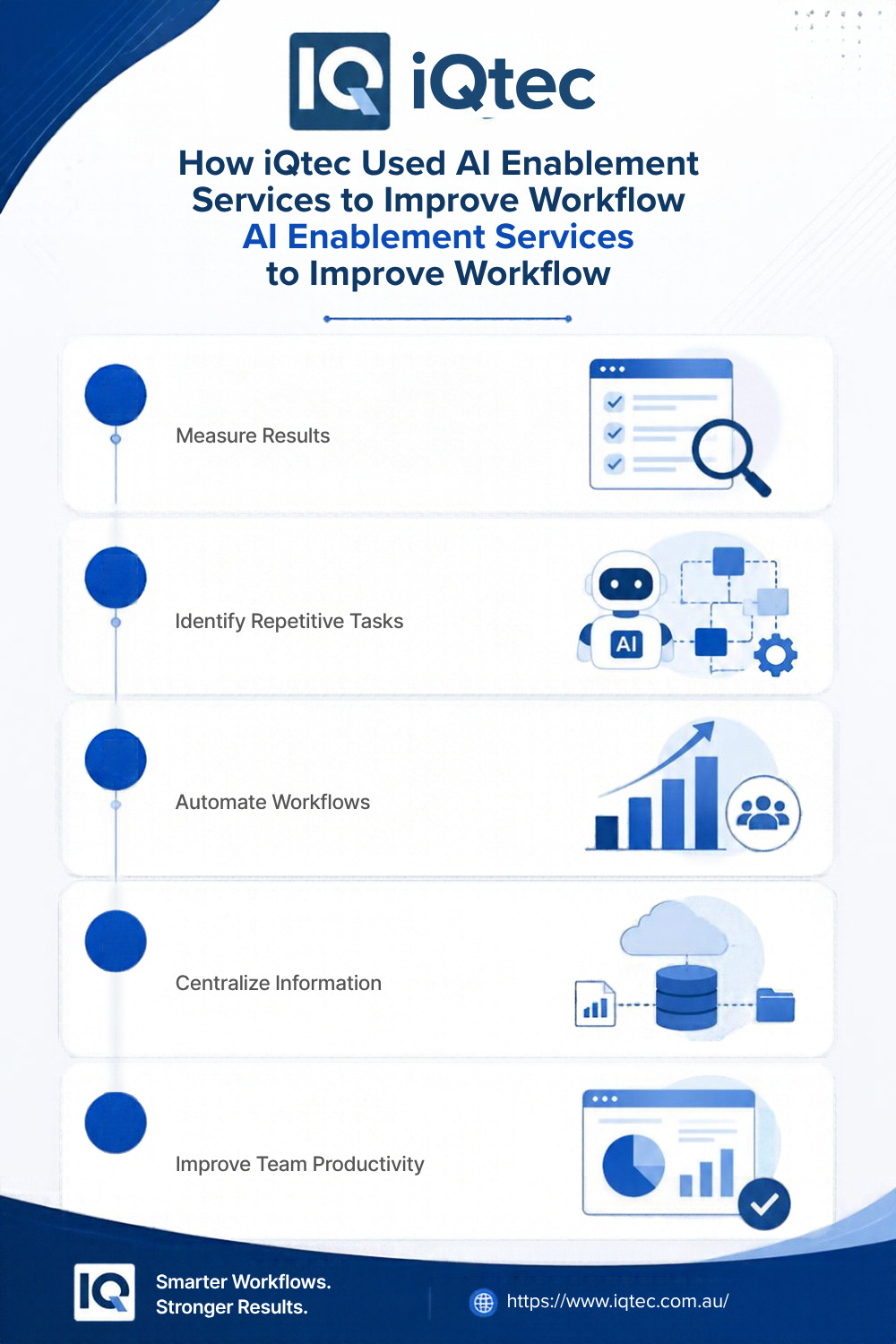
Modern businesses cannot afford to spend valuable time on repetitive administrative tasks. Business Central includes built-in automation that simplifies many day-to-day processes.
Some commonly automated workflows include:
- Invoice generation
- Purchase approvals
- Payment reminders
- Inventory replenishment
- Financial reporting
By automating routine activities, employees can spend more time serving customers, analyzing business performance, and supporting strategic initiatives.
Seamless Integration Across the Microsoft Ecosystem
One of Business Central's greatest strengths is its deep integration with Microsoft's business applications. Employees can create quotes directly from Outlook, analyze ERP data in Excel, collaborate through Microsoft Teams, and build interactive dashboards using Power BI.
These integrations eliminate duplicate work, improve collaboration, and provide a consistent user experience across the organization. Businesses can also extend Business Central using Power Apps and Power Automate, enabling customized workflows without extensive software development.
Supporting Business Growth
Business Central is designed to grow alongside your business. Whether opening new locations, expanding product lines, or entering new markets, the platform provides the flexibility needed to adapt without replacing existing systems.
Organizations also benefit from Microsoft's continuous investment in cloud technology. Regular updates introduce new features, enhanced security, and improved performance, ensuring businesses always have access to the latest innovations without complex upgrade projects.
Why Work with a Microsoft Dynamics 365 Partner?
Although Business Central is designed to be user-friendly, successful implementation requires careful planning. A certified Microsoft partner helps businesses evaluate current processes, configure the system according to operational needs, migrate data securely, and train employees for successful adoption.
Working with experienced consultants also reduces implementation risks while ensuring businesses maximize the return on their ERP investment through ongoing optimization and support.
Conclusion
Business Central Cloud ERP helps businesses modernize operations by bringing finance, inventory, sales, purchasing, and customer management together in one intelligent cloud platform. With real-time reporting, workflow automation, seamless Microsoft integration, and enterprise-grade security, organizations gain the visibility and flexibility needed to operate more efficiently.
As digital transformation continues to reshape every industry, Business Central provides the scalable foundation businesses need to improve productivity, reduce operational costs, and support sustainable growth. Investing in a cloud ERP solution today prepares organizations for the challenges and opportunities of tomorrow.
Frequently Asked Questions (FAQs)
1. What is Business Central Cloud ERP?
Business Central Cloud ERP is Microsoft's cloud-based ERP solution that helps businesses manage finance, sales, inventory, purchasing, operations, and customer relationships from one integrated platform.
2. Which businesses can benefit from Business Central?
It is ideal for small and medium-sized businesses looking to replace legacy systems, automate workflows, improve financial management, and support business growth.
3. What are the main benefits of Business Central Cloud ERP?
Business Central offers centralized business management, real-time reporting, workflow automation, cloud accessibility, Microsoft 365 integration, improved inventory control, and stronger financial visibility.
4. Can Business Central integrate with other Microsoft applications?
Yes. Business Central integrates seamlessly with Outlook, Excel, Microsoft Teams, Power BI, Power Apps, Power Automate, and Azure, creating a connected business ecosystem.
5. Is Business Central Cloud ERP secure?
Yes. Hosted on Microsoft Azure, it includes enterprise-grade security, role-based access controls, data encryption, automatic updates, and compliance features to help protect business information.
6. How long does Business Central implementation take?
Implementation timelines vary depending on business size and customization requirements. Smaller projects may take a few weeks, while larger deployments can take several months.
7. Why should businesses work with a Microsoft Dynamics 365 partner?
A certified partner helps with planning, system configuration, data migration, user training, integrations, and ongoing support, ensuring a smoother implementation and faster return on investment.