Digital transformation is no longer optional for businesses looking to stay competitive. As organizations modernize their IT infrastructure, many are evaluating whether their existing on-premises ERP and CRM systems can continue to support evolving business needs.
Legacy environments often require expensive hardware, manual upgrades, and ongoing maintenance. They also make it difficult to scale operations, integrate modern applications, and provide employees with secure remote access.
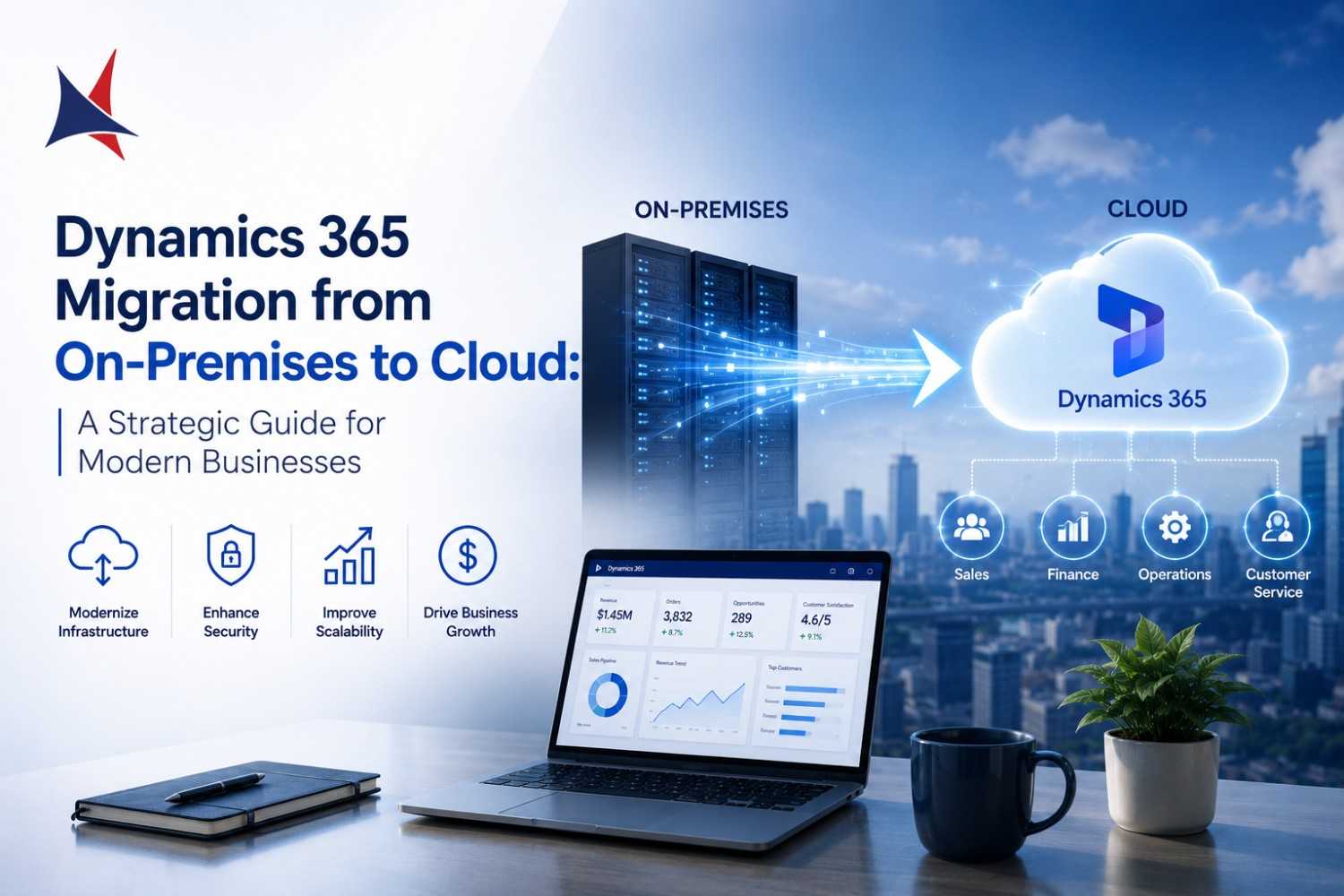
This is why Dynamics 365 migration from on premise to cloud has become a priority for organizations planning their annual IT investments. Moving to the cloud not only modernizes business applications but also creates a more connected, secure, and agile digital workplace.
Why Businesses Are Moving Away from On-Premises Systems
Traditional on-premises deployments have served organizations well for many years. However, maintaining local servers, managing infrastructure, and installing software updates consume valuable IT resources.
As businesses grow, these systems can become costly to maintain and difficult to scale.
Cloud-based Dynamics 365 eliminates many of these challenges by shifting infrastructure management to Microsoft. Organizations benefit from automatic updates, enterprise-grade security, and greater flexibility without investing in additional hardware.
Benefits of Dynamics 365 Cloud Migration
Migrating to the cloud is about more than replacing servers. It creates opportunities to improve efficiency across the business.
Some of the key advantages include:
- Reduced infrastructure and maintenance costs
- Automatic software updates
- Enhanced security and compliance
- Anywhere, anytime access
- Faster deployment of new features
- Improved scalability
- Better integration with Microsoft 365, Power BI, Power Platform, and Azure
These capabilities help organizations respond more quickly to changing business requirements while reducing operational complexity.
Build a Strong Migration Strategy
A successful migration begins with careful planning.
Before moving to the cloud, organizations should assess their current environment, identify customizations, review business processes, and evaluate data quality.
A structured migration roadmap helps reduce risks while minimizing business disruption.
It should include clear objectives, timelines, testing procedures, user training, and post-migration support.
Working with an experienced Microsoft implementation partner can significantly improve project success and accelerate deployment.
Prepare Your Data Before Migration
Data is one of the most valuable business assets.
Migrating outdated, duplicate, or inaccurate information into a new environment can reduce the effectiveness of the new system.
Before migration, businesses should clean existing records, remove obsolete data, standardize formats, and validate critical information.
Well-prepared data leads to a smoother migration and more reliable reporting after deployment.
Minimize Business Disruption
One of the biggest concerns organizations have is downtime.
A well-planned migration minimizes operational disruptions by following a phased implementation approach, testing critical processes, and validating integrations before go-live.
Employee communication is equally important.
Keeping stakeholders informed throughout the migration process helps improve adoption and reduces resistance to change.
Strengthen Security and Compliance
Security is a major reason organizations migrate to the cloud. Businesses need to protect sensitive customer information, financial records, and operational data while meeting industry compliance requirements.
Dynamics 365 provides enterprise-grade security backed by Microsoft. Features such as multi-factor authentication, role-based access, encryption, and continuous security updates help reduce risks and strengthen data protection.
With Microsoft managing the cloud infrastructure, internal IT teams can spend less time maintaining servers and more time focusing on strategic initiatives.
Unlock Greater Value Through Microsoft Integration
One of the biggest advantages of moving to Dynamics 365 in the cloud is seamless integration with other Microsoft solutions.
Employees can work more efficiently by connecting Dynamics 365 with Microsoft 365, Teams, Power BI, Power Automate, and Azure. Sales teams can collaborate within familiar applications, while business leaders gain real-time insights through interactive dashboards.
This connected ecosystem eliminates information silos and improves productivity across departments.
Common Cloud Migration Challenges
Every migration project comes with challenges, but proper planning helps minimize risks.
Some common issues include poor data quality, outdated customizations, complex integrations, and limited user adoption. Businesses may also underestimate the time required for testing and employee training.
Creating a detailed migration plan and involving key stakeholders early helps address these challenges before they affect business operations.
A phased migration approach also reduces disruption and allows teams to adapt more effectively.
How to Choose the Right Microsoft Dynamics 365 Migration Partner
Technology alone does not guarantee a successful migration.
Organizations should work with a Microsoft partner that understands both the technical and business aspects of cloud transformation.
When evaluating a partner, consider:
- Microsoft certifications and proven expertise
- Experience with Dynamics 365 cloud migrations
- Industry-specific knowledge
- A structured migration methodology
- Ongoing support and optimization services
An experienced migration partner can simplify the transition, reduce project risks, and ensure your new cloud environment is configured to support long-term business goals.
Conclusion
Moving from an on-premises environment to the cloud is more than a technology upgrade—it is a strategic investment in business agility, security, and future growth.
A successful Dynamics 365 migration from on premise to cloud enables organizations to modernize operations, reduce infrastructure costs, improve collaboration, and gain access to real-time business insights.
With the right migration strategy and an experienced Microsoft implementation partner, businesses can confidently embrace cloud technology while minimizing disruption and maximizing return on investment.
Ready to Migrate to the Cloud?
Cambay Solutions helps organizations plan, execute, and optimize Dynamics 365 cloud migrations with minimal disruption. Our Microsoft-certified experts deliver tailored migration strategies, seamless implementation, and ongoing support to help your business unlock the full value of Microsoft Dynamics 365.
Frequently Asked Questions
1. Why should businesses migrate Dynamics 365 from on-premises to the cloud?
Cloud migration reduces infrastructure costs, improves scalability, enhances security, and provides automatic updates. It also enables better collaboration and integration with Microsoft 365, Power BI, and other Microsoft solutions.
2. How long does a Dynamics 365 cloud migration take?
The timeline depends on factors such as data volume, customizations, integrations, and business complexity. A well-planned migration with an experienced Microsoft partner helps ensure a smooth and efficient transition.
3. What are the biggest challenges during a Dynamics 365 migration?
Common challenges include poor data quality, outdated customizations, complex integrations, downtime concerns, and user adoption. Proper planning, testing, and employee training help reduce these risks.
4. Can Dynamics 365 integrate with other Microsoft applications after migration?
Yes. Dynamics 365 integrates seamlessly with Microsoft 365, Teams, Power BI, Power Platform, and Azure, creating a connected business ecosystem that improves productivity and decision-making.
5. How do I choose the right Dynamics 365 migration partner?
Choose a partner with Microsoft certifications, proven migration experience, industry expertise, a structured implementation methodology, and reliable post-migration support to maximize the success of your cloud transformation.