Technology plays a critical role in modern business success. From cybersecurity and cloud adoption to digital transformation and IT planning, businesses need effective technology leadership to stay competitive. However, not every organisation has the resources to hire a full-time Chief Information Officer (CIO).
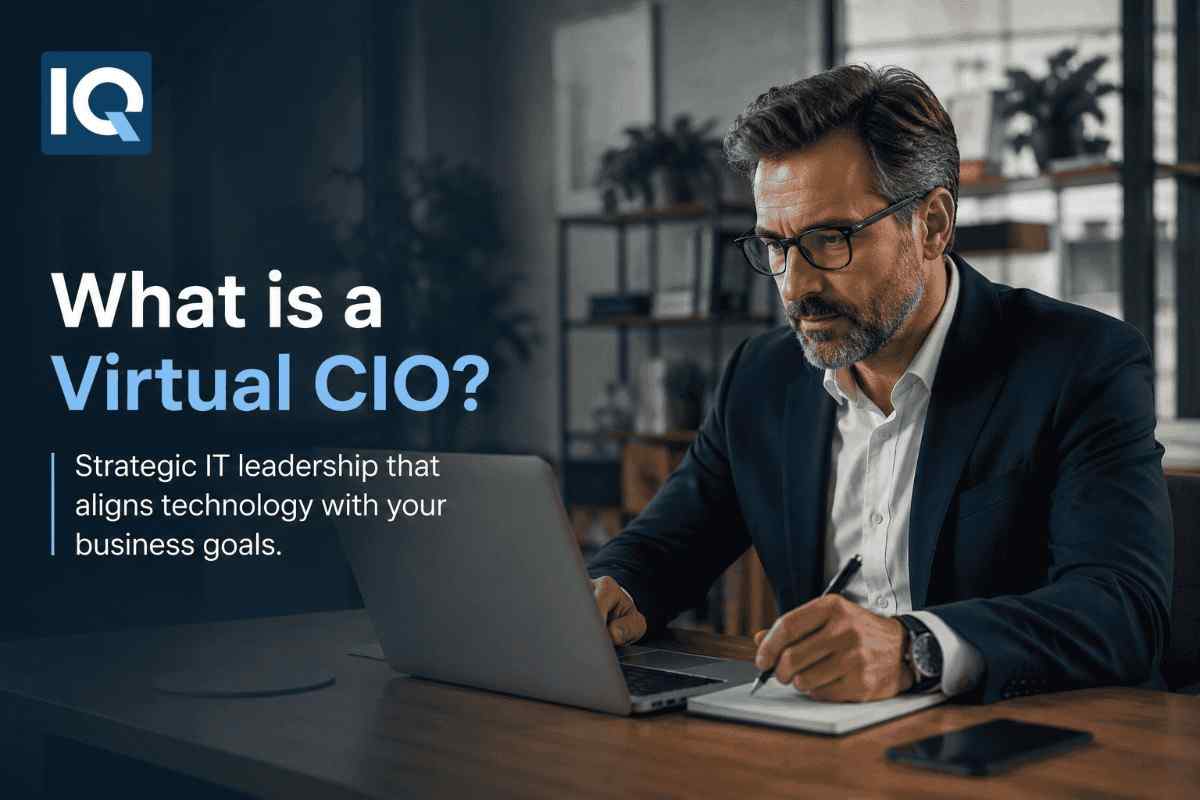
This is where a Virtual CIO (vCIO) can provide valuable support. A Virtual CIO offers strategic IT guidance and leadership similar to an internal CIO but works as an outsourced technology advisor. They help businesses make smarter technology decisions, align IT with business goals, and create long-term strategies for growth.
What Is a Virtual CIO?
A Virtual CIO is an experienced technology professional who provides strategic IT leadership to businesses on a flexible basis. Instead of hiring a full-time CIO, organisations can work with a vCIO to receive expert guidance on technology planning, cybersecurity, budgeting, infrastructure improvements, and digital transformation.
A vCIO focuses on the bigger picture of technology management rather than handling everyday technical issues. Their role is to ensure that IT investments support business objectives and deliver measurable value.
While traditional IT support focuses on fixing problems, a Virtual CIO helps businesses answer important strategic questions:
- What technology should the business invest in?
- How can IT support future growth?
- Are current systems secure and efficient?
- How can technology costs be optimised?
- What risks should the business prepare for?
What Does a Virtual CIO Do?
A Virtual CIO performs many of the same strategic functions as an internal CIO but provides services in a more flexible and cost-effective way.
1. Develops IT Strategy
One of the main responsibilities of a vCIO is creating a clear technology roadmap. They evaluate the current IT environment, understand business goals, and recommend improvements that support long-term success.
An IT strategy may include:
- Technology planning
- Infrastructure improvements
- Cloud adoption strategies
- Cybersecurity recommendations
- Software evaluations
- Digital transformation planning
This ensures businesses make technology decisions based on strategy rather than short-term needs.
2. Improves Cybersecurity Planning
Cybersecurity is a major concern for businesses of all sizes. A Virtual CIO helps organisations identify security risks and develop plans to protect sensitive information.
This may involve:
- Security assessments
- Risk management planning
- Data protection strategies
- Compliance guidance
- Backup and disaster recovery planning
By taking a proactive approach, businesses can better prepare for evolving cyber threats.
3. Manages Technology Budgets
Technology investments can become expensive without proper planning. A vCIO helps businesses prioritise IT spending by identifying which solutions provide the greatest business value.
They help organisations balance current technology needs with future goals, ensuring resources are invested effectively.
4. Supports Digital Transformation
Businesses are constantly adopting new technologies to improve productivity and customer experiences. A Virtual CIO helps evaluate emerging technologies and determine how they can be applied effectively.
Whether it involves cloud migration, automation, artificial intelligence, or collaboration tools, a vCIO provides guidance to ensure technology adoption supports business outcomes.
Virtual CIO vs Traditional CIO
A traditional CIO is a full-time executive responsible for managing an organisation’s technology strategy. This role is commonly found in larger enterprises with extensive technology requirements.
A Virtual CIO provides similar strategic expertise but works externally, allowing businesses to access experienced leadership without the cost of a full-time executive.
Benefits of Working With a Virtual CIO
Access to Strategic Expertise
Many businesses have technical support but lack high-level technology leadership. A vCIO fills this gap by providing strategic advice and helping leaders make informed decisions.
Cost-Effective Technology Leadership
Hiring a full-time CIO can be expensive. A Virtual CIO provides access to senior-level expertise without the cost of a permanent executive position.
Better Decision-Making
Technology decisions can have a significant impact on business operations. A vCIO helps organisations evaluate options, reduce risks, and choose solutions that align with business objectives.
Improved Long-Term Planning
Instead of reacting to IT problems, businesses can take a proactive approach. A Virtual CIO helps create structured plans for technology improvements, security, and future growth.
Who Needs a Virtual CIO?
A Virtual CIO can benefit businesses that:
- Do not have internal IT leadership
- Are experiencing rapid growth
- Need a technology roadmap
- Want to improve cybersecurity
- Are planning cloud or digital transformation projects
- Need guidance on IT investments
- Require strategic technology advice
Small and medium-sized businesses often find vCIO services especially valuable because they gain access to enterprise-level IT leadership without hiring a full-time executive.
Why Businesses Choose vCIO Services
Technology decisions can influence every area of a business. Without strategic direction, organisations may struggle with inefficient systems, security risks, and unnecessary technology expenses.
A Virtual CIO provides the guidance needed to create a smarter IT environment. They bridge the gap between business leadership and technology teams, ensuring IT supports operational goals and future growth.
Conclusion
So, what is a Virtual CIO? A Virtual CIO is an outsourced technology leader who helps businesses develop IT strategies, improve cybersecurity, manage technology investments, and prepare for future growth.
For organisations that need experienced IT leadership without the expense of hiring a full-time CIO, a vCIO provides a flexible and practical solution. By combining strategic planning with technical expertise, Virtual CIO services help businesses make confident technology decisions and build a stronger digital future.
Frequently Asked Questions (FAQs)
1. What is the main role of a Virtual CIO?
A Virtual CIO provides strategic technology leadership by helping businesses plan IT investments, improve cybersecurity, manage risks, and align technology with business goals.
2. How is a Virtual CIO different from an IT support provider?
An IT support provider focuses on maintaining systems and resolving technical issues, while a Virtual CIO focuses on long-term technology planning, strategy, and business alignment.
3. Is a Virtual CIO only useful for small businesses?
No. While small and medium businesses often benefit from vCIO services, larger organisations may also use Virtual CIO expertise for specialised projects, strategic planning, or additional technology leadership.
4. What services does a Virtual CIO provide?
A Virtual CIO may provide IT strategy development, technology roadmaps, cybersecurity planning, budgeting guidance, cloud strategy, vendor management, and digital transformation advice.
5. How much does a Virtual CIO cost compared to a full-time CIO?
The cost varies depending on business requirements, but a Virtual CIO is generally more affordable because businesses pay for strategic expertise without the expense of a full-time executive salary and benefits.
6. Can a Virtual CIO help improve cybersecurity?
Yes. A Virtual CIO can assess security risks, recommend cybersecurity improvements, develop security strategies, and help businesses implement stronger protection measures.
7. When should a business consider hiring a Virtual CIO?
A business should consider a Virtual CIO when it needs strategic IT guidance, is planning growth, faces increasing technology complexity, or wants to improve its overall technology direction.